
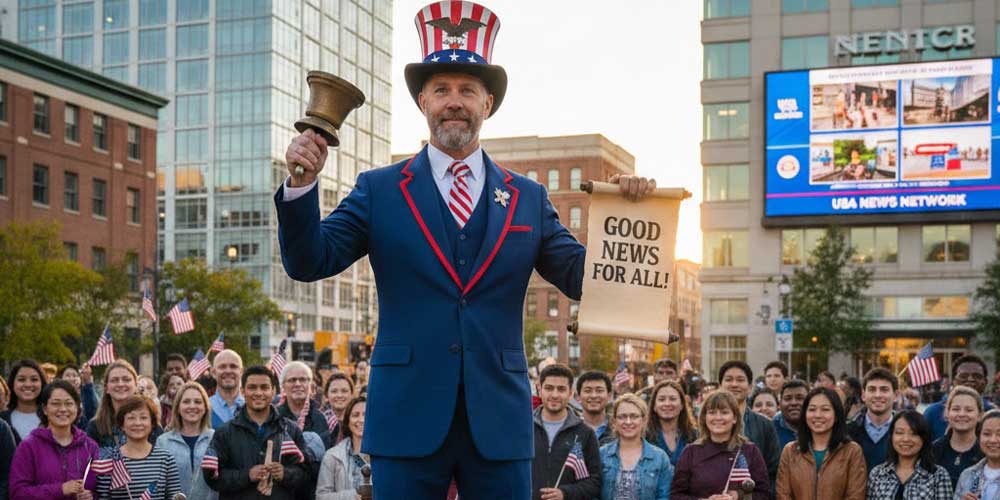
Welcome to our twelfth “Voter ID News Hotsheet”, where we summarize all the latest Voter ID news on a National basis in a monthly digest of top happenings.
February 2026 marked one of the most consequential months for voter identification policy in recent U.S. history. Voter ID moved decisively from a state-driven issue to the center of federal election debate, driven by congressional action, White House rhetoric, and intensified responses from state officials, advocacy groups, and election administrators.
The stories below capture the most impactful national developments shaping the future of voter ID policy during the month.
- Congress Advances the SAVE America Act
The Safeguard American Voter Eligibility (SAVE) Act passed the House, proposing nationwide proof-of-citizenship and photo ID requirements for federal elections, immediately escalating the national voter ID debate. Read More
- Federal Voter ID Becomes Central Election Issue
National media coverage focused heavily on voter ID provisions in the SAVE Act, framing the legislation as either a long-overdue integrity measure or a sweeping federal overreach. Read More
- Voter ID via Executive Authority
President Trump publicly signaled a willingness to impose voter ID requirements through executive action if Congress fails to act, intensifying constitutional and legal scrutiny. Read More
- Emergency Powers Draft Raises Alarm
Reports revealed activists circulating a draft executive order asserting extraordinary presidential control over federal elections, including voter ID mandates, prompting backlash from election law experts. Read More
- Democratic Lawmakers Warn of Voter Suppression
Senate Democrats argued that the SAVE Act’s voter ID and citizenship provisions could disenfranchise eligible voters and undermine state authority over elections. Read More
- State Officials Push Back Against Federal Mandates
Officials in several states warned that federal proof-of-citizenship requirements could disrupt existing voter rolls and election administration systems. Read More
- Florida Expands Its Own Voter ID Rules
Florida lawmakers advanced legislation tightening acceptable voter ID standards, reinforcing the state’s position as a national leader in election integrity reforms. Read More
- Local Election Officials Urge Senate Action
County clerks and election administrators across multiple states publicly urged the U.S. Senate to adopt uniform voter ID standards. Read More
- California Groups Mobilize Against Voter ID Initiative
Voting rights organizations launched coordinated campaigns to block a proposed California voter ID ballot initiative, citing access and equity concerns. Read More
- National Advocacy Groups Warn of Implementation Risks
Labor unions and civil rights organizations warned that rapid implementation of federal voter ID laws could disrupt voter registration drives nationwide. Read More
By the end of February 2026, voter ID had firmly transitioned from a state-centered policy question into a defining national election issue. With the SAVE America Act advancing in Congress, executive authority openly debated, and states either reinforcing or resisting stricter ID standards, the month set the stage for prolonged legal, political, and cultural battles over how Americans prove eligibility to vote in federal elections.