
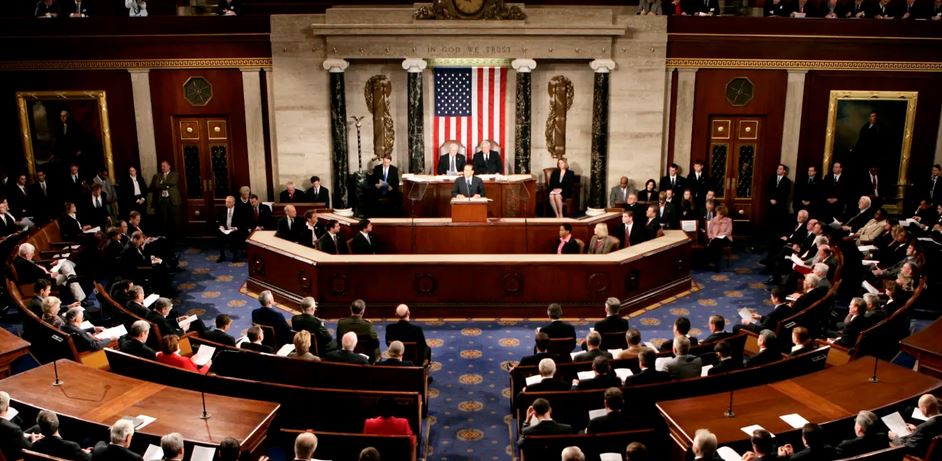
The filibuster is one of the most debated and controversial practices in American politics, often seen as either a crucial safeguard for minority voices or a frustrating source of legislative gridlock. Rooted in the traditions of the U.S. Senate, this procedural tool allows senators to delay or block legislative action by extending debate or employing other tactics to prevent a vote. Its name, derived from a Dutch word meaning “pirate,” reflects its historical role as a method of seizing control of the legislative process. But what is the filibuster’s true purpose, and why does it evoke such strong opinions on both sides of the political aisle?
At its core, the filibuster is intended to ensure that minority voices in the Senate are not steamrolled by the majority. The U.S. Senate, designed to be a deliberative body, operates differently from the House of Representatives, which functions under majority rule. By allowing extended debate, the filibuster gives senators in the minority party the power to slow down or block legislation, compelling the majority to negotiate and build broader consensus. This procedural tactic, which requires 60 votes to end debate and move to a final vote through a process called cloture, is a hallmark of the Senate’s emphasis on protecting minority rights.
Proponents of the filibuster argue that it plays a vital role in preserving the democratic principle of deliberation. By preventing legislation from passing too quickly, the filibuster ensures that major bills are thoroughly debated and scrutinized. It encourages bipartisanship by requiring the majority party to work with the minority to secure the 60 votes needed for cloture. In this way, the filibuster can lead to more balanced and widely accepted legislation, reflecting the interests of a broader segment of the population. Supporters see it as a check on the majority’s power, a safeguard against rash decisions, and a mechanism for fostering compromise in an increasingly polarized political climate.
However, the filibuster is not without its critics, who argue that it has become a tool of obstruction rather than deliberation. Opponents contend that it allows a small minority of senators, sometimes representing a fraction of the nation’s population, to block legislation that has broad support. In their view, this undermines the democratic principle of majority rule, enabling a minority to wield disproportionate power. This dynamic has contributed to legislative gridlock, where even widely popular measures struggle to pass due to the difficulty of securing 60 votes in a deeply divided Senate.
Critics also argue that the filibuster has strayed from its original intent. Historically, it was rarely used and reserved for issues of profound significance. Today, however, it is often employed as a routine tactic to block or delay legislation, even on relatively minor issues. This shift, critics say, has turned the Senate into a dysfunctional body where partisan interests outweigh the need to govern effectively. Instead of encouraging compromise, the filibuster can incentivize obstruction, with minority parties using it as a strategy to stall progress and score political points.
The filibuster’s role in American politics is both functional and symbolic. Supporters see it as a reflection of the Senate’s unique role in the legislative process, where cool deliberation and the protection of minority rights take precedence over swift action. They argue that removing or weakening the filibuster would undermine the Senate’s identity as a deliberative body and lead to more volatile swings in policy as majorities change. For them, the filibuster represents stability, encouraging lawmakers to find common ground and craft legislation that stands the test of time.
On the other hand, critics see the filibuster as an outdated relic that hinders progress and perpetuates inequality. They point to its historical use to block civil rights legislation and other landmark reforms, arguing that it has often been wielded to preserve the status quo rather than promote justice. In this view, the filibuster is not a symbol of deliberation but a barrier to democracy, preventing elected leaders from enacting the will of the people. Calls to reform or eliminate the filibuster have grown louder in recent years, with some advocating for its complete removal and others proposing changes, such as lowering the threshold for cloture or requiring senators to physically hold the floor during a filibuster, as was the practice in the past.
The debate over the filibuster reflects deeper tensions in American politics about the balance between majority rule and minority rights, between the need for swift action and the value of careful deliberation. While its defenders see it as a crucial check on the power of the majority, its detractors argue that it has become a tool for obstruction, enabling a dysfunctional Senate and preventing the passage of important legislation.
As the nation grapples with issues ranging from voting rights to climate change, the filibuster’s role in shaping the legislative process remains a contentious topic. Whether it is ultimately preserved, reformed, or abolished will have profound implications for the future of American democracy. The challenge lies in finding a balance that honors the Senate’s tradition of deliberation while ensuring that the legislative process remains effective and responsive to the needs of the people.